Missouri Winters Are Tough on Roofs—Here’s What You Should Know
One day the roads are clear. The next, your gutters are packed with ice and the roof’s groaning under heavy, wet snow. We’ve seen it too many times: shingles lifting after a freeze-thaw cycle, water sneaking in through attic vents, or a ceiling stain that wasn’t there yesterday.
At Freedom Restoration and Roofing, this isn’t new. We’ve spent over a decade helping homeowners across the Troy area spot and fix the quiet kind of damage that winter leaves behind—ice dams, snow load stress, and cold-weather leaks that show up when the temperature swings 30 degrees in a day.
We wrote this guide to help you stay ahead of the damage:
- What snow, ice, and freezing temperatures really do to your roof
- Early signs of trouble you can catch before it spreads
- What to expect when scheduling repairs or talking to insurance
- How we help protect Missouri homes from winter’s worst
Not sure how your roof is holding up? It’s easy to find out. Schedule a free roof inspection and get a clear answer you can trust.
Cold Weather Roof Damage in Missouri: Why It Happens
Winter roof problems aren’t always obvious. They’re usually slow to develop, hard to spot from the ground, and easy to miss until water starts showing up inside your house.
In Troy, it’s not just the snow—it’s the way we get it. We see a mix of light flurries, wet snow, sleet, and freezing rain, sometimes all within a 48-hour window. That creates a cycle of freezing and thawing that slowly wears down your roof.
Most Common Winter Roof Problems We See
Ice Dams
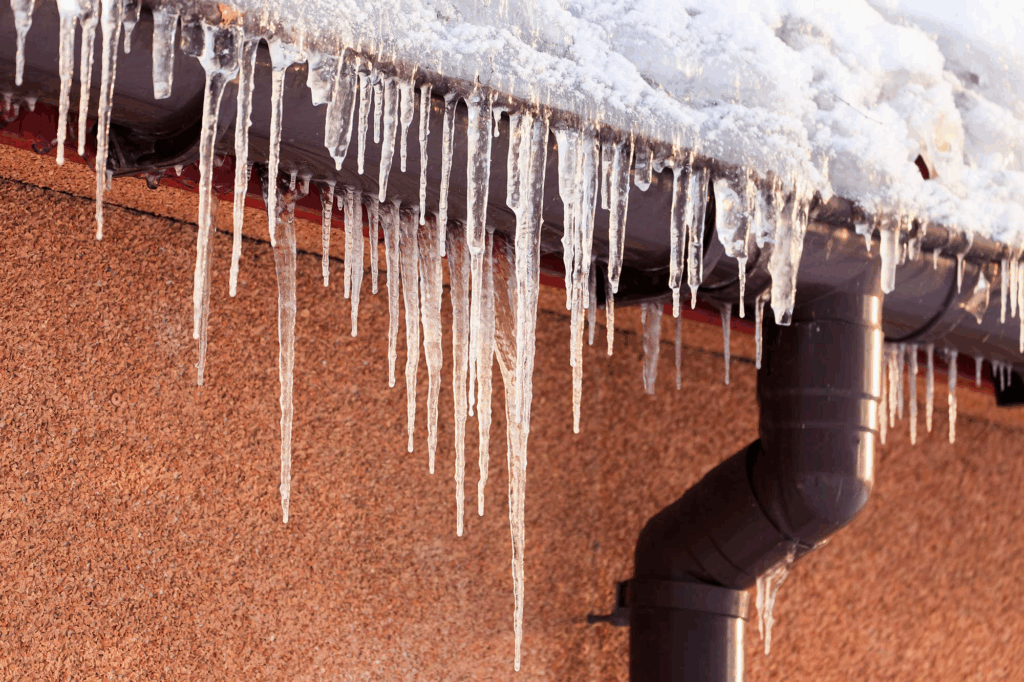
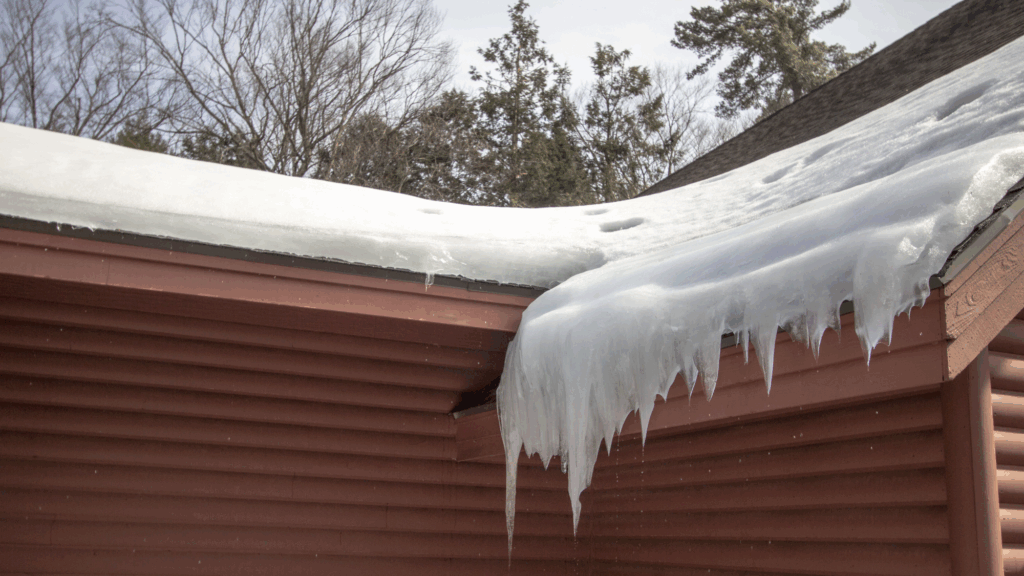
Meltwater runs off a warm roof, refreezes at the edge, and backs up under your shingles. It’s the classic winter roof issue—and it can cause hidden leaks that show up weeks later.
Heavy Snow Loads
Snow adds weight. Wet snow adds even more. If it piles up and stays put, it stresses the structure, weakens fasteners, and sometimes opens up small gaps you can’t see.
Freeze-Thaw Damage
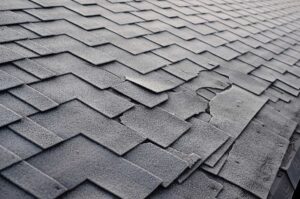
Water seeps into small openings and freezes overnight. Ice expands. The cycle repeats. Over time, shingles loosen, flashing separates, and leaks form.
Condensation in the Attic
Cold air outside, warm air inside. If your attic doesn’t have proper airflow, moisture gets trapped. That leads to mold, wood rot, and long-term insulation problems.
Before You Schedule Repairs, Know These Key Things
Homeowners often ask us what they should do first. Here’s our answer: don’t panic, but don’t wait either. Winter damage tends to get worse with time—especially if more snow or rain is on the way.
Step 1: Get a Roof Inspection
It’s free, and it gives you clear direction. We take photos, explain what we see, and lay out your options. No pressure. No pushing you into a new roof if you don’t need one.
Step 2: Understand Your Insurance Coverage
Some winter-related damage may be covered, but it depends on the cause. Sudden events (like ice dam leaks) are more likely to be covered than slow wear and tear. If you’re thinking about filing a claim, let us document the damage properly.
Step 3: Budget Basics
Repairs from winter roof damage in our area typically fall between $600 and $2,500, depending on access, scope, and materials. We also offer custom repair bids and financing when a full replacement is the better long-term option.
What Snow and Ice Actually Do to Your Roof
Let’s take a closer look at how these issues show up—and how to handle them.
Ice Dams: What to Watch For
You might see icicles forming along your eaves. Or water dripping down your siding when it’s below freezing. That’s a red flag. Water is likely backing up under your shingles and finding its way inside.
What to do: Don’t try to break the ice yourself—it’s dangerous and you could cause more damage. We can remove it safely and assess your attic insulation and ventilation to help stop it from coming back.
Snow Load Stress
Six inches of dry snow is one thing. Six inches of wet, heavy snow is something else entirely. It adds serious weight to your roof system and can cause structural stress.
What to look for:
- Cracks in the ceiling or drywall
- Sagging along ridgelines
- Doors sticking or closing unevenly
If anything feels off, get it checked. You may not need a major repair, but it’s better to be safe than surprised in spring.
Freeze-Thaw Issues
This is the damage that sneaks up on people. It’s subtle at first. A lifted shingle here. A cracked flashing detail there. You might not see it until water starts showing up inside.
Our advice: Schedule an inspection as soon as the weather warms up, or after a hard freeze and thaw cycle. Catching it early means you can often fix it without a big expense.
Smart Choices for Winter-Ready Roofing
Some materials just handle winter better than others. We see it every year—roofs with the right components hold up longer and leak less.
What We Install (and Why)
Owens Corning Duration Shingles
They hold tight in cold temps, resist wind, and seal well against moisture. We use them because they’re durable and backed by a 50-year product warranty when properly installed.
Ice & Water Shield
This waterproof layer goes beneath shingles, especially at eaves and valleys. It’s critical in winter and is now required by code in many areas.
Proper Ventilation
Many winter roof problems aren’t about the shingles at all. They’re about what’s happening inside the attic. Balanced airflow keeps your roof colder, which helps prevent ice dams and condensation.
Cold Weather Roofing FAQs for Troy Homeowners
Winter damage can show up in subtle ways, and we get a lot of the same questions this time of year. Below are some of the most common concerns we hear from homeowners in the Troy area about snow roof damage, ice-related leaks, and cold weather roof issues.