Many homeowners throughout St. Peters are surprised when they learn their roof may need replacement years earlier than expected. They may have been told their shingles could last 25 or 30 years, so hearing that their roof is already showing signs of failure at 15 or 18 years can feel frustrating and confusing.
That is why the question “how often should a roof be replaced?” does not always have a simple answer.
In Missouri, roof replacement timelines are shaped by more than age alone. Hailstorms, wind exposure, humidity, temperature swings, installation quality, attic ventilation, and material choices all affect how long a roof actually protects the home. A roof may still be standing, but that does not always mean it is performing the way it should.
This is why some homeowners end up replacing their roofs earlier than expected. The roof may look fine from the ground, but hidden damage can be building underneath the surface. By the time leaks, missing shingles, or interior water stains appear, the roof may already be past the point where small repairs make sense.
In this guide, we will cover:
- How long roofs realistically last in Missouri
- Why some roofs fail earlier than homeowners expect
- Warning signs your roof may be nearing replacement
- When roof repairs can extend roof life
- Why regular roof inspections matter
- How better roofing materials can improve long-term value
If you are unsure where your roof stands, Freedom Restoration and Roofing can help with a free inspection and straightforward recommendations based on what your roof actually needs.
How Long Should a Roof Last in Missouri?
One of the biggest reasons St. Peters homeowners replace roofs earlier than expected is the gap between advertised lifespan and real-world performance.
Some asphalt shingles may be marketed with long lifespan expectations, but Missouri weather can shorten that timeline. A roof that might last longer in a milder climate may wear down faster in an area with repeated hail, high winds, heavy rain, humidity, and large seasonal temperature swings.
In many Missouri neighborhoods, asphalt shingle roofs often last around 15 to 20 years depending on the roof system and how much storm exposure the home has experienced. Some roofs last longer with quality materials, proper ventilation, and strong installation. Others need replacement sooner because of hidden hail damage, poor workmanship, or years of small problems that were never addressed.
That is what catches many homeowners off guard. They think roof replacement is only based on age, but condition matters more than the number of years alone. A 12-year-old roof with repeated hail damage may be in worse shape than an 18-year-old roof that was installed correctly, ventilated properly, and maintained well.
This is why a roof inspection is so important once a roof reaches the 10 to 15-year range, especially if the home has been through multiple storm seasons.
The Biggest Reasons Roofs Fail Early
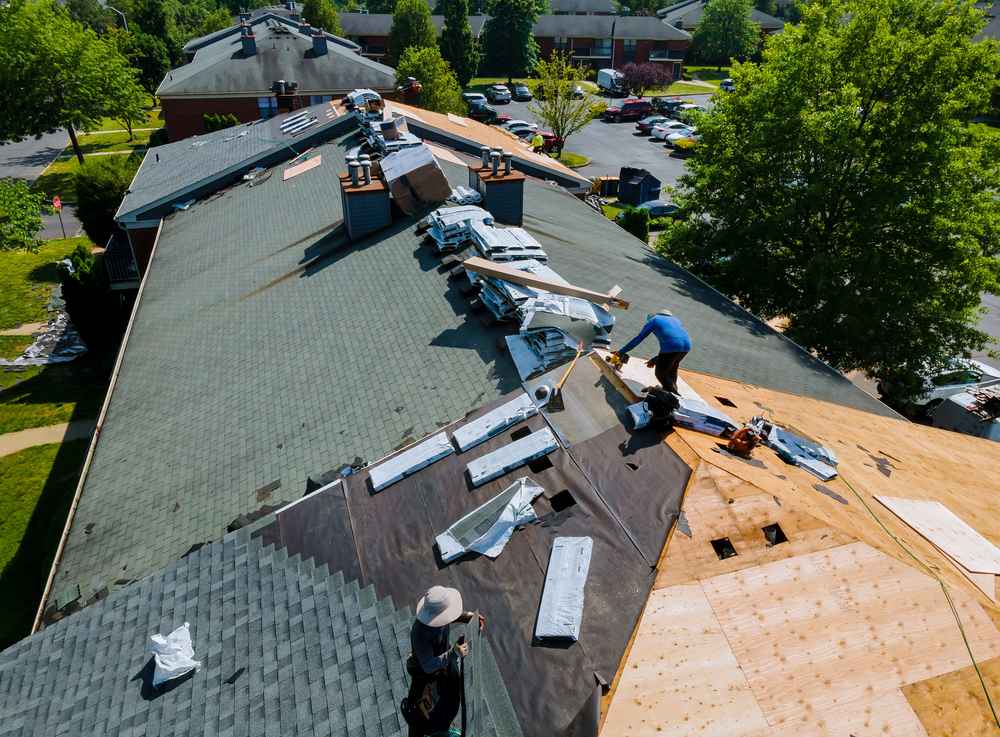
Premature roof replacement is usually not caused by one single issue. More often, several problems build over time until the roofing system can no longer protect the home reliably. Understanding these causes helps homeowners see why their roof may be aging faster than expected.
Hail and Wind Damage Gradually Weakens Roofing Systems
Hail and wind exposure are two of the most common reasons St. Peters homeowners replace roofs earlier than planned.
Hail damage is especially frustrating because it does not always cause an immediate leak. Hail can bruise shingles, loosen protective granules, and weaken the surface of the roof. Once those granules wear away, shingles become more vulnerable to sun exposure, cracking, curling, and moisture intrusion.
Wind damage creates a different kind of problem. Strong gusts can lift shingles, loosen flashing, and weaken ridge caps. Even if the shingles settle back down, the seal may not perform the same way during the next storm. Over time, repeated wind exposure can create weak areas that allow water to work underneath the roofing system.
This is why homeowners are often surprised by a premature roof replacement recommendation after an inspection. The roof may not have failed all at once. It may have been weakened slowly by years of storm exposure.
Poor Installation Standards Shorten Roof Lifespan
Another major reason roofs fail earlier than expected is poor installation.
Even high-quality shingles can wear out early if the roof was not installed correctly. Incorrect nail placement, poor flashing work, rushed installation, improper underlayment, and ventilation oversights can all shorten the life of a roofing system.
Homeowners may not notice these problems right away. In fact, installation issues often stay hidden until the roof has been through several years of storms, heat, humidity, and seasonal movement. By the time leaks or widespread shingle problems appear, repairs may no longer be enough to correct the original issue.
This is why the lowest roof replacement estimate is not always the best long-term value. A properly installed roof should be built as a full system, not just a layer of shingles.
Ventilation Problems Accelerate Roof Aging
Ventilation problems are one of the most overlooked reasons homeowners replace roofs earlier than expected.
A roof needs proper attic airflow to help control heat and moisture. When ventilation is poor, hot air and humidity become trapped inside the attic. Over time, that heat can prematurely age shingles from underneath, while moisture can weaken decking, damage insulation, and contribute to mold concerns.
This matters in Missouri because summers can be hot and humid, while seasonal temperature swings place additional stress on roofing materials. A roof with poor ventilation may age faster even if the shingles themselves were good quality.
When homeowners ask how long a roof should last in Missouri, ventilation is one of the factors that has to be considered. Without proper airflow, the roof may not reach its expected lifespan.
Cheap Materials Often Lead to Earlier Replacement
Low-quality materials can also cause roofs to fail sooner than homeowners expect.
Cheaper shingles, weaker sealants, thin underlayment, and lower-grade accessories may reduce the initial cost of a roof, but they often do not perform as well during repeated hail, wind, and rain exposure. Over time, these materials can break down faster and create more frequent repair needs.
For homeowners, this can be frustrating because the roof may have seemed like a good deal at the time. Years later, they may be dealing with leaks, missing shingles, and replacement costs sooner than planned.
Better materials do not make a roof damage-proof, but they can improve durability, wind resistance, and long-term performance when installed correctly.
Warning Signs Your Roof May Be Nearing Replacement
Another reason homeowners replace roofs earlier than expected is that roof aging problems often go unnoticed until they become serious. Many people do not look closely at their roof unless there is a leak, but roofs usually show warning signs before failure becomes obvious.
Common roof replacement signs include curling shingles, cracked shingles, missing shingles, granule buildup in gutters, visible flashing damage, sagging areas, attic moisture, and water stains on ceilings or walls. Repeated repairs in the same area can also be a sign that the roof system is no longer performing well.
These issues do not always mean replacement is required immediately. However, they do mean the roof should be inspected. A professional inspection can help determine whether the damage is isolated or whether the roof is nearing the end of its useful life.
For St. Peters homeowners, this matters because storm damage can stay hidden for a long time. A roof may look normal from the driveway while hail bruising, lifted shingles, or weakened flashing continue to worsen. Catching those issues early gives homeowners more options and helps prevent a rushed replacement decision after a major leak.
Can Roof Repairs Extend Roof Life?
Roof repairs can help extend roof life when the damage is limited and the roof still has enough useful life left. This is an important point because replacing a roof earlier than expected does not always mean replacement is the first or only answer.
Repairs may make sense when:
- The damage is isolated to one section
- The roof is still relatively new
- Flashing issues are minor
- Storm damage is limited
However, repairs become less practical when:
- The roof is already nearing the end of its lifespan
- Multiple repairs already exist
- Storm damage is widespread
- Decking or ventilation issues are present
One of the biggest mistakes homeowners make is waiting too long to address roofing problems. Small issues can gradually lead to decking rot, insulation damage, mold growth, and larger structural concerns once moisture begins working underneath the roofing system.
This is where honest inspections become valuable. Homeowners deserve realistic guidance about whether repairs are still worth investing in or whether replacement would provide better long-term value.
How Homeowners Can Help Avoid Premature Roof Replacement
While no roof lasts forever, homeowners can take steps to reduce premature wear and help their roof last as long as possible.
Regular Roof Inspections Help Catch Problems Earlier
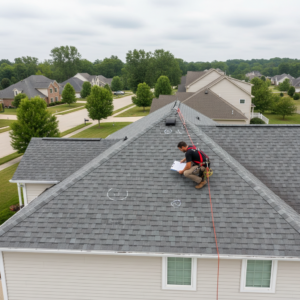
Routine roof inspections are one of the best ways to identify hidden storm damage before it becomes a larger issue. Hail bruising, lifted shingles, flashing problems, and attic moisture often develop gradually and may not be visible from the ground.
Inspections become especially important after major storms and once a roof reaches the 10 to 15-year range.
Proper Ventilation Helps Protect Roofing Materials
Ventilation plays a major role in helping roofs last longer in Missouri weather conditions.
A properly ventilated attic helps regulate heat and moisture levels, reducing stress on shingles and roof decking over time. Without adequate airflow, roofing materials often deteriorate faster than expected.
Timely Repairs Prevent Larger Structural Problems
Addressing small roofing issues quickly can help homeowners avoid larger replacement costs later.
Loose shingles, flashing damage, or small leaks may seem minor at first, but over time they can allow moisture to spread into insulation, decking, and interior spaces.
Better Materials Improve Long-Term Roof Performance
Choosing durable roofing materials during replacement can help reduce the likelihood of premature roof failure.
Architectural shingles, impact resistant shingles, and properly installed roofing systems generally hold up better during repeated Missouri storm seasons than lower-grade materials.
Why Regular Roof Inspections Matter
Regular roof inspections matter because they help explain why a roof may be aging earlier than expected.
Many roofing problems develop gradually. Hail bruising, lifted shingles, worn sealants, flashing issues, ventilation concerns, and early moisture problems can all exist before a homeowner notices a leak. An inspection gives homeowners a clearer picture of what is happening on the roof and whether the system is still performing properly.
For homes in St. Charles County and the greater St. Louis area, inspections are especially useful after major storms. Missouri weather can change quickly, and a roof that handled last year’s storm may not be prepared for the next one if hidden damage was never repaired.
Regular inspections also help homeowners plan financially. Instead of discovering roof failure during an emergency, homeowners can understand whether their roof likely has years of life left, needs repairs, or may be approaching replacement.
Freedom Restoration and Roofing provides free inspections, custom repair recommendations, and straightforward guidance without high-pressure sales tactics.
Choosing Better Roofing Materials for Long-Term Value
The materials used during roof replacement play a major role in whether the next roof lasts as long as homeowners expect. Choosing better materials can help reduce the risk of premature roof replacement, especially in areas with repeated hail and wind exposure.
Architectural Shingles Offer Better Durability
Architectural shingles are one of the most common roofing choices in Missouri because they provide better durability than traditional three-tab shingles. They have a thicker, layered design that improves wind performance and gives the roof a stronger overall appearance.
For many homeowners, architectural shingles offer a good balance of cost, curb appeal, and long-term performance. Owens Corning Duration shingles are a popular option because they are designed with strong wind resistance and dependable durability.
Impact Resistant Shingles Improve Hail Protection
Impact resistant shingles may be a smart option for homeowners concerned about hail damage roof replacement.
These shingles are designed to better withstand impact from hail and storm debris. They usually cost more upfront, but they may provide better long-term value for homes that experience frequent hail exposure. Some homeowners may also want to ask their insurance provider whether impact resistant shingles qualify for any policy-related savings.
Impact resistant shingles do not make a roof indestructible, but they can help reduce the kind of damage that causes some roofs to be replaced earlier than expected.
Metal Roofing Provides Long-Term Storm Performance
Standing seam metal roofing systems can provide strong long-term performance in storm-prone areas.
Metal roofing is known for wind resistance, durability, and low maintenance needs. It is not the right fit for every home or budget, but it can be a strong long-term option for homeowners who want added durability and are planning to stay in their home for many years.
The best material choice depends on the home, budget, storm exposure, and long-term goals. A good roofing contractor should explain the options clearly so homeowners can make a confident decision.
St. Peters Roof Replacement Questions Homeowners Ask Most
Homeowners often have questions when a roof seems to be aging sooner than expected. These answers can help clarify when replacement may be necessary and what factors affect roof lifespan.