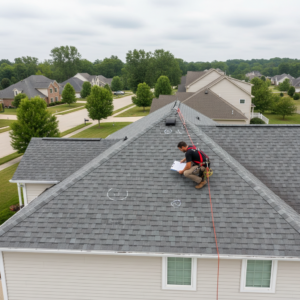
Every spring and summer, homeowners throughout Chesterfield and the greater St. Louis area brace for another round of severe weather. Hailstorms, heavy rain, high winds, and tornado activity are common throughout Missouri, and it only takes one strong storm to expose roofing problems that may have been developing quietly for years.
Many homeowners assume their roof is in good shape simply because it is not leaking. In reality, roofs often show signs of vulnerability long before water makes its way inside the home. Aging shingles, loose flashing, poor ventilation, and untreated hail damage can all weaken a roof’s ability to handle the next major storm.
If you have been wondering whether your roof is ready for hail season, now is the time to find out before severe weather arrives.
In this guide, we will cover:
- Why Missouri storms are especially hard on roofs
- Signs your roof may not be prepared for severe weather
- What a roof inspection before storm season includes
- Roofing materials that perform better during hail and wind
- When repairs make sense versus replacement
- Why many homeowners schedule inspections before peak storm season
If you are unsure about your roof’s condition, Freedom Restoration and Roofing can help with a free inspection and straightforward recommendations based on what your roof actually needs.
Why Missouri Storms Are Hard on Roofs
Understanding whether your Chesterfield roof is storm-ready starts with understanding what roofs in Missouri go through every year.
Homes throughout St. Louis County are exposed to repeated cycles of hail, strong wind gusts, heavy rain, temperature swings, and occasional tornado activity. While one storm may not completely destroy a roof, years of repeated exposure slowly weaken roofing systems over time.
Hail is one of the biggest concerns during Missouri storm season because it damages shingles in ways homeowners often cannot see from the ground. Even smaller hail can bruise shingles, loosen protective granules, and shorten the lifespan of roofing materials. Once shingles lose those granules, they become more vulnerable to moisture, sun exposure, and future storms.
Wind creates another layer of stress. Strong gusts can lift shingles, loosen ridge caps, and create gaps around flashing. Once those areas become compromised, water can work underneath the roofing system during heavy rain.
Missouri weather also creates constant expansion and contraction within roofing materials. Hot summers followed by cold winters place stress on shingles, flashing, and sealants year after year. Over time, this movement weakens roofing systems and increases the likelihood of storm-related damage.
That is why homeowners should think beyond visible leaks when evaluating whether their roof is prepared for another storm season.
Signs Your Roof May Not Be Storm-Ready
Aging Shingles Reduce Storm Resistance
Roof age plays a major role in how well a home handles severe weather. In Missouri, many asphalt shingle roofs begin showing signs of wear around the 15 to 20-year mark depending on installation quality, ventilation, and storm exposure.
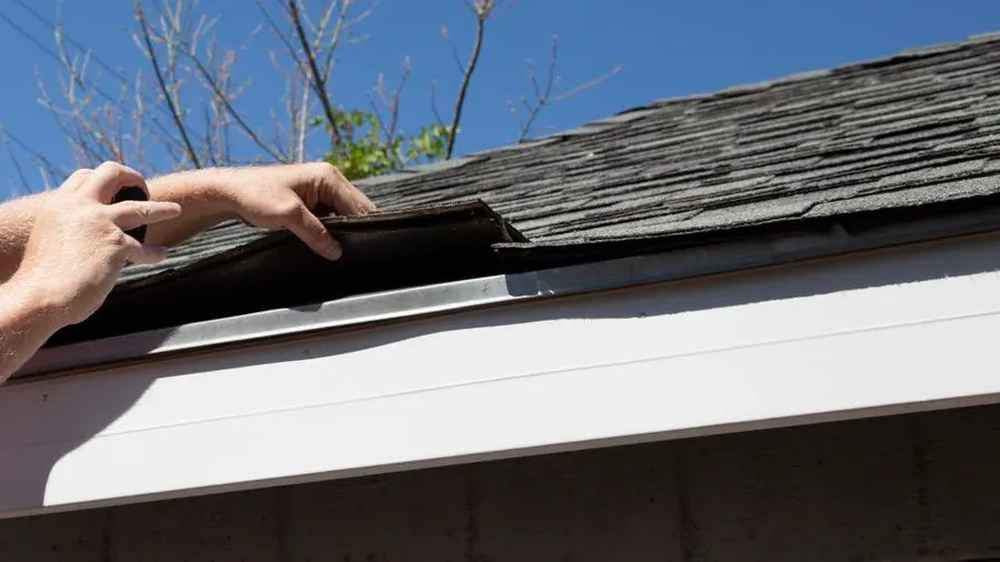
As shingles age, they become more brittle and less flexible during hail and wind events. Homeowners may notice curling edges, cracking, discoloration, or granule buildup in gutters. These are all signs the roofing system may be more vulnerable during the next major storm.
An aging roof does not always mean immediate replacement is necessary, but it does mean the roof should be evaluated carefully before peak hail season arrives.
Loose Flashing and Ridge Caps Create Vulnerable Areas
Flashing protects vulnerable areas around chimneys, vents, skylights, valleys, and roof transitions where water is more likely to enter the home. Ridge caps help secure the highest points of the roof against moisture intrusion and wind uplift.
When flashing becomes loose or ridge caps begin deteriorating, storms can force water underneath the roofing system. These issues are especially common after years of exposure to Missouri wind and temperature changes.
Many homeowners do not realize flashing problems exist until interior water stains begin appearing. By then, moisture may already be affecting insulation, decking, or attic framing.
Untreated Storm Damage Continues to Worsen Over Time
One overlooked storm can leave behind damage that continues worsening long after the weather clears.
Many homeowners throughout Chesterfield have roofs that experienced hail or wind exposure years ago but never received a full inspection afterward. Even if the storm did not create immediate leaks, hidden bruising or lifted shingles may still exist beneath the surface.
A roof that survived one storm may still be vulnerable heading into the next season if previous damage was never properly addressed.
Poor Ventilation Increases Long-Term Roof Stress
Ventilation is another important part of roof performance that homeowners often overlook.
Poor attic ventilation traps heat and moisture inside the home, which can accelerate shingle deterioration and weaken roof decking over time. Excess attic moisture may also contribute to mold growth and insulation problems that remain hidden until larger repairs become necessary.
A properly ventilated roofing system helps regulate attic temperatures and reduce long-term stress on roofing materials.
Quick Storm-Ready Roof Checklist for Homeowners
If you are trying to determine whether your roof is prepared for Missouri storm season, there are several things homeowners can look for before severe weather arrives.
A well-maintained roof should:
- Have shingles that are laying flat and securely sealed
- Show minimal granule loss
- Have flashing firmly secured around penetrations
- Drain water properly through gutters and downspouts
- Be free of sagging or soft roof areas
- Have attic ventilation functioning properly
- Be inspected after major hail or wind events
- Have tree branches trimmed away from the roofline
Even when a roof appears fine from the ground, hidden storm damage may still exist. That is why many homeowners schedule professional inspections before peak storm season.
What a Storm-Ready Roof Inspection Includes
A roof inspection before storm season is designed to identify vulnerabilities before severe weather turns small problems into expensive repairs.
A professional inspection typically includes:
- Evaluating shingle condition
- Checking flashing and sealants
- Inspecting ridge caps
- Looking for hail or wind damage
- Examining gutters and drainage
- Assessing attic ventilation
- Checking for hidden moisture issues
The purpose of the inspection is not to pressure homeowners into replacement. A good inspection should provide honest information about the roof’s current condition along with practical recommendations based on what the roof actually needs.
In many cases, smaller repairs completed before storm season can help homeowners avoid emergency leaks and larger repair costs later.
Best Roofing Materials for Hail and Wind Resistance
Choosing the right materials plays a major role in how well a roof handles Missouri weather.
Architectural Shingles Provide Better Wind Durability
Architectural shingles are one of the most common roofing systems throughout Chesterfield because they offer improved durability compared to traditional three-tab shingles.
Benefits include:
- Better wind resistance
- Thicker layered construction
- Longer lifespan
- Improved curb appeal
Owens Corning Duration shingles are especially popular because of their reinforced design and strong wind ratings.
Impact Resistant Shingles Improve Hail Protection
Impact resistant shingles are designed specifically for areas where hailstorms are common.
Benefits include:
- Better hail resistance
- Improved durability
- Potential insurance savings
However, they also come with a higher upfront investment, and not every home requires impact resistant products. The best choice depends on the roof’s condition, the homeowner’s budget, and long-term goals.
Standing Seam Metal Roofing Performs Well During Severe Weather
Metal roofing systems continue gaining popularity in storm-prone areas because of their durability and lifespan.
Benefits include:
- Excellent wind resistance
- Long-term performance
- Low maintenance requirements
Metal roofing is not always the right fit for every home, but it can be a strong option for homeowners looking for long-term storm protection.
When Roof Repairs Make Sense vs Replacement
One of the most common questions homeowners ask during storm season is whether repairs are enough or whether replacement makes more sense long-term.
Repairs may be appropriate when:
- Damage is isolated to one section
- The roof is still relatively new
- Flashing or sealant issues are minor
- Storm damage is limited
Replacement may be the better option when:
- The roof is nearing the end of its lifespan
- Storm damage is widespread
- Multiple repairs already exist
- Ventilation or decking issues are present
This is another reason inspections are important before storm season. Homeowners deserve clear information about whether investing in repairs still makes sense or whether replacement would provide better long-term value and protection.
Why Chesterfield Homeowners Schedule Inspections Before Storm Season
Most homeowners would rather prepare for storm season than deal with emergency repairs after severe weather hits.
Scheduling inspections before spring and summer storms helps homeowners:
- Catch hidden roofing issues early
- Reduce the risk of interior leaks
- Extend roof lifespan
- Prepare for hail season
- Simplify future insurance documentation if storm damage occurs
It also gives homeowners more time to make informed decisions instead of rushing through repairs during an emergency situation.
Freedom Restoration and Roofing helps homeowners throughout the area identify roofing vulnerabilities early through straightforward inspections, custom repair bids, and honest Chesterfield Storm-Ready Roofing Questions Homeowners Ask Most
Homeowners preparing for Missouri storm season often have the same concerns about hail, wind damage, inspections, and roof lifespan. Here are some of the most common questions homeowners ask when trying to determine whether their roof is ready for severe weather.
How do I know if my roof is storm-ready?
Your roof is considered storm-ready when the shingles, flashing, ventilation, and overall roofing system are in good condition and able to handle hail, wind, and heavy rain. A professional roof inspection is usually the best way to identify hidden vulnerabilities before storm season arrives.
What type of roof is best for hail?
Impact resistant shingles and properly installed metal roofing systems are typically the best roofing options for hail-prone areas. These materials are designed to handle impact better than standard shingles and may help reduce long-term storm damage.
How often should roofs be inspected in Missouri?
Roofs in Missouri should generally be inspected once per year and after major hail or wind events. Regular inspections help identify smaller problems early before they turn into larger and more expensive repairs.
Can hail damage a roof without causing leaks?
Yes, hail can damage a roof without creating immediate leaks. Hail often bruises shingles and loosens protective granules, which weakens the roof over time and increases the risk of future storm damage.
What are common signs of hidden storm damage?
Common signs of hidden storm damage include loose shingles, granule buildup in gutters, lifted flashing, attic moisture, and water stains on ceilings. Many roofing problems are not visible from the ground, which is why inspections are important after severe weather.
Should I repair or replace my roof after storm damage?
Whether you should repair or replace your roof depends on the age of the roof and the extent of the damage. Smaller isolated issues may only require repairs, while widespread storm damage or older roofing systems may make replacement the better long-term option.
Can roof repairs help extend roof lifespan?
Yes, roof repairs can help extend roof lifespan when smaller issues are addressed early. Fixing flashing problems, damaged shingles, and ventilation issues before they worsen can help improve overall roof performance during future storms.
Does homeowners insurance cover storm damage?
Homeowners insurance often covers storm damage caused by hail or wind, but coverage depends on the policy and the condition of the roof. A professional inspection can help document damage and determine whether filing a claim makes sense.
Final Thoughts on Storm-Ready Roofing
Storm season in Missouri can expose roofing problems quickly, especially on aging roofs or systems with hidden damage. Preparing ahead of time with a professional inspection can help homeowners avoid emergency leaks, expensive repairs, and unnecessary stress once severe weather arrives.
Freedom Restoration and Roofing has spent years helping homeowners protect their homes with honest inspections, quality workmanship, and dependable service backed by strong local reviews and industry certifications. Whether your roof needs smaller repairs or a full replacement, the focus stays on helping homeowners make informed decisions and protect their home for the long term.